MODULAR SIGNAGE SYSTEM
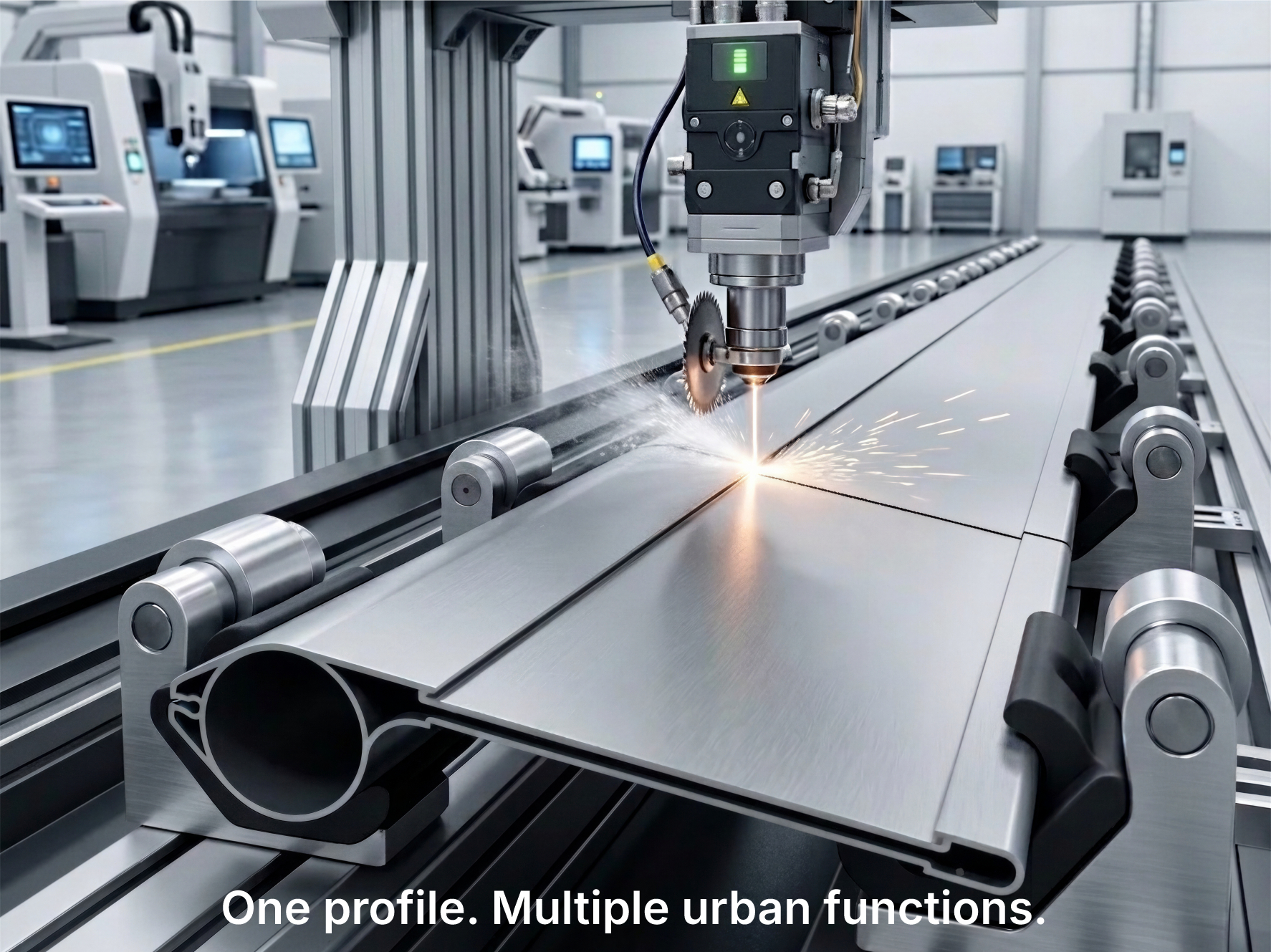
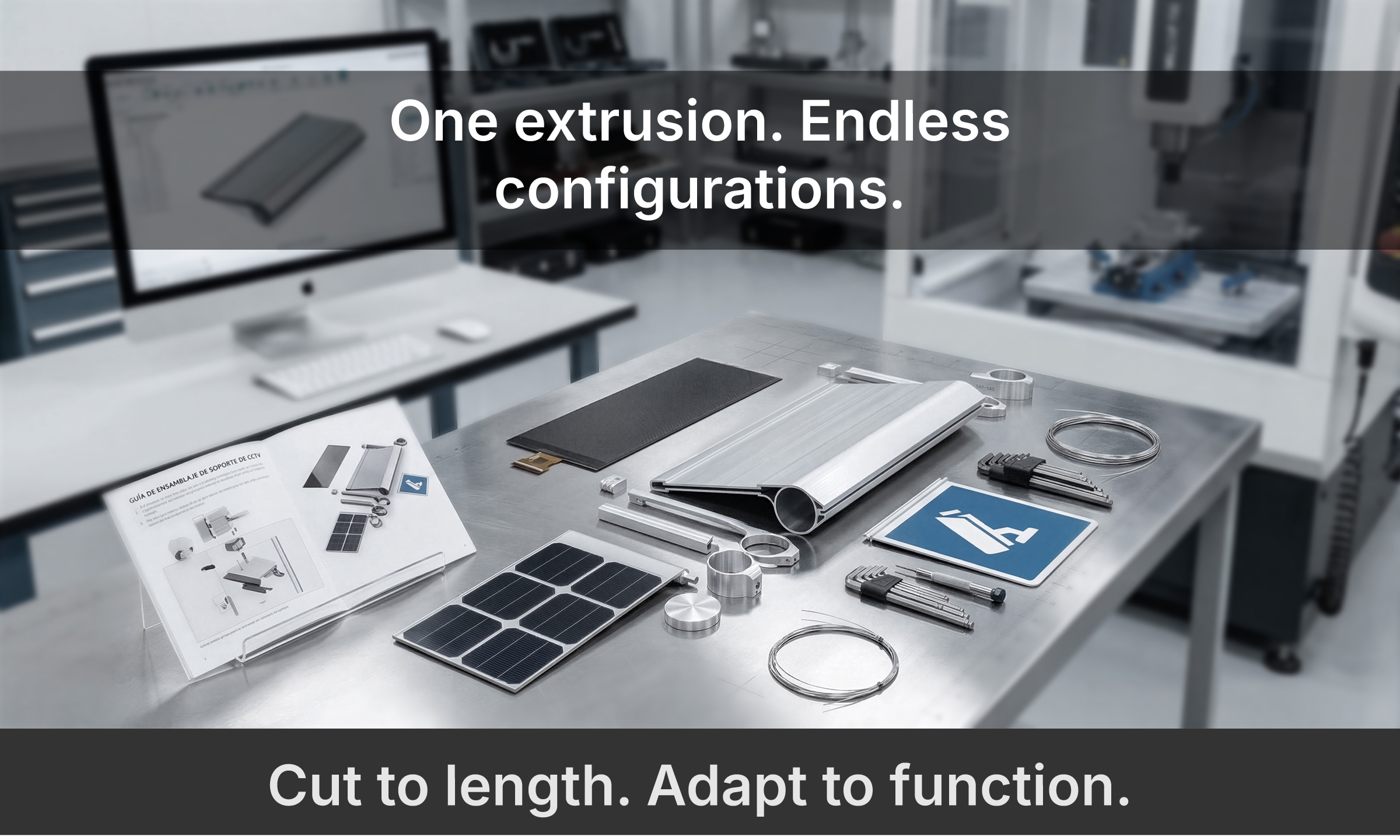
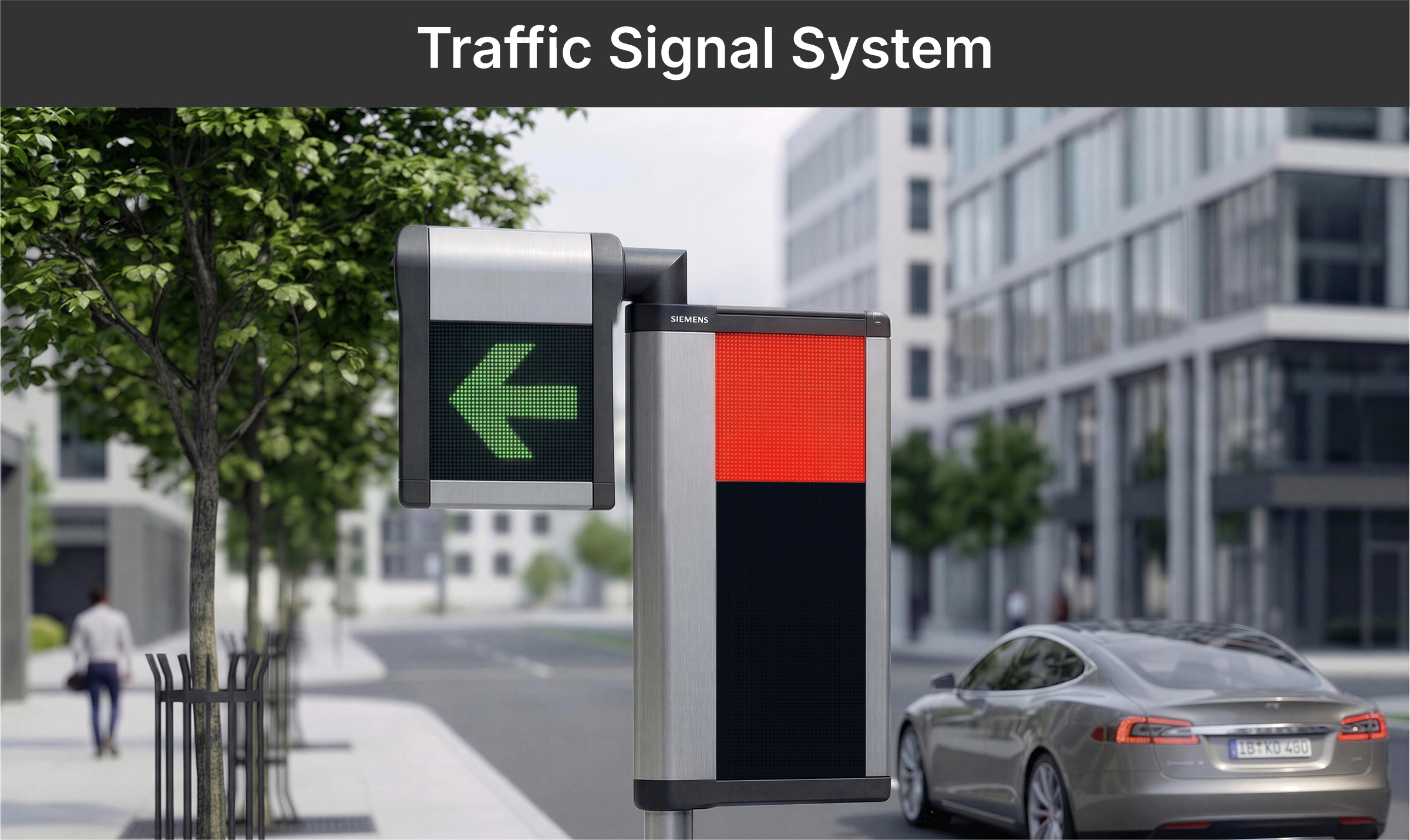
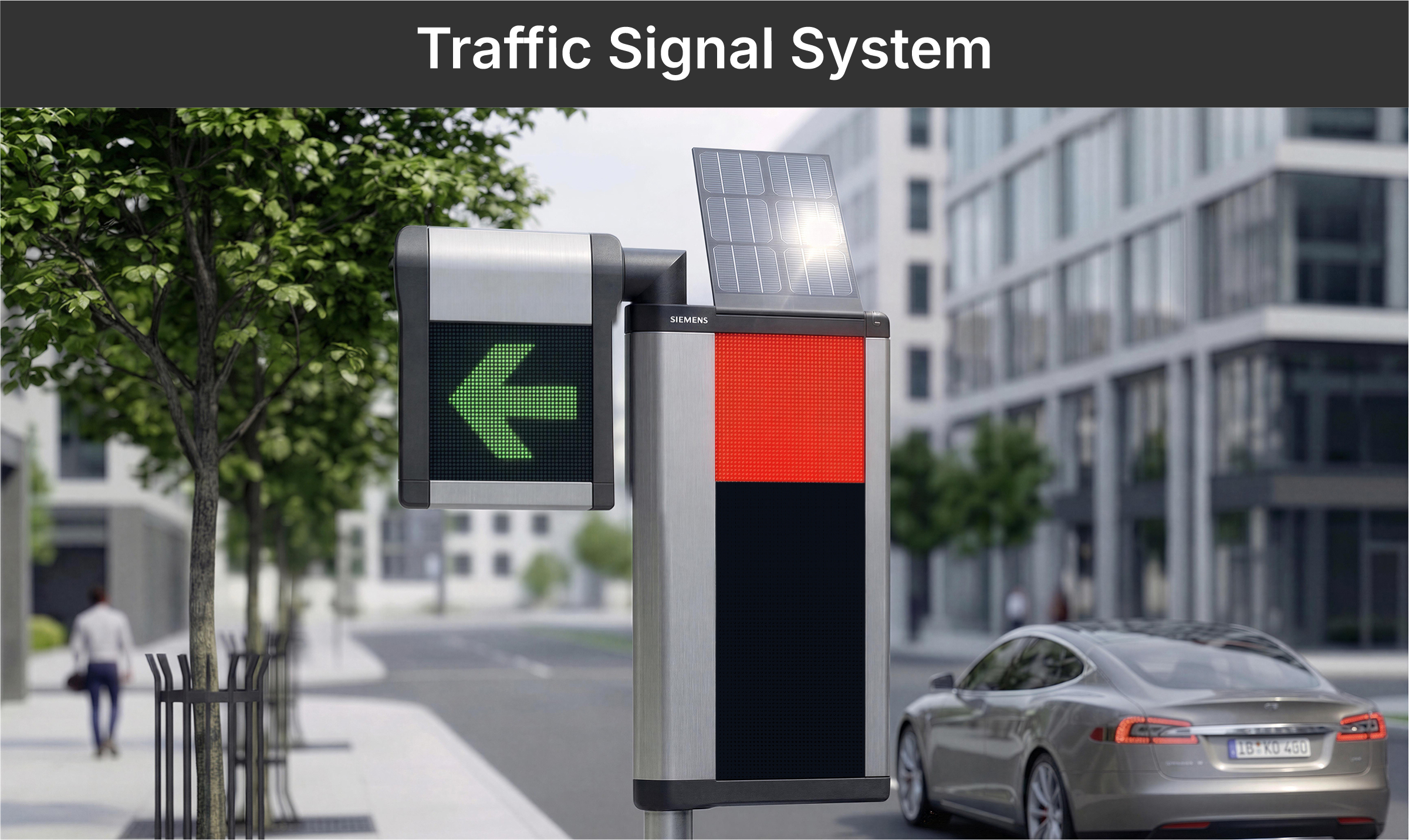
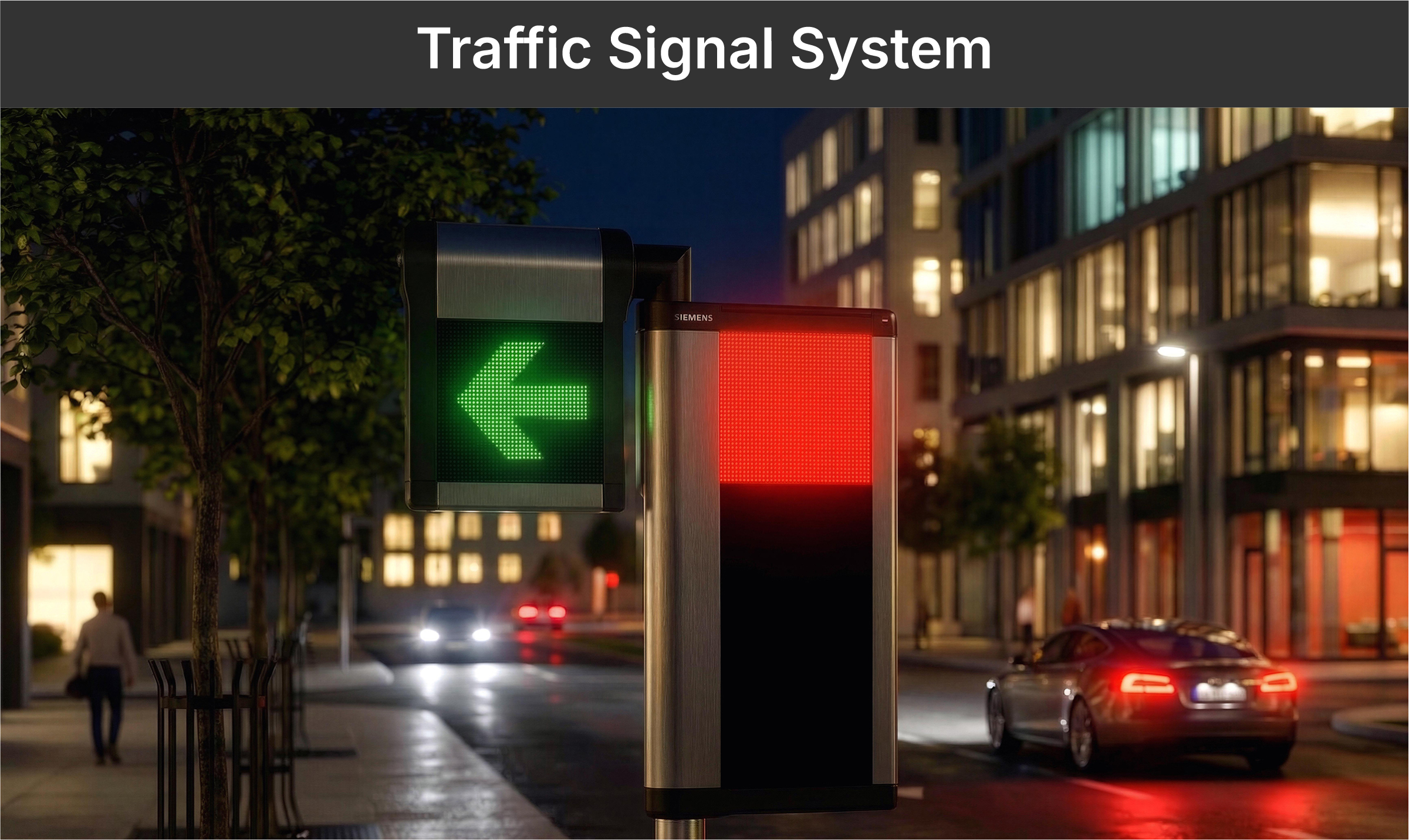
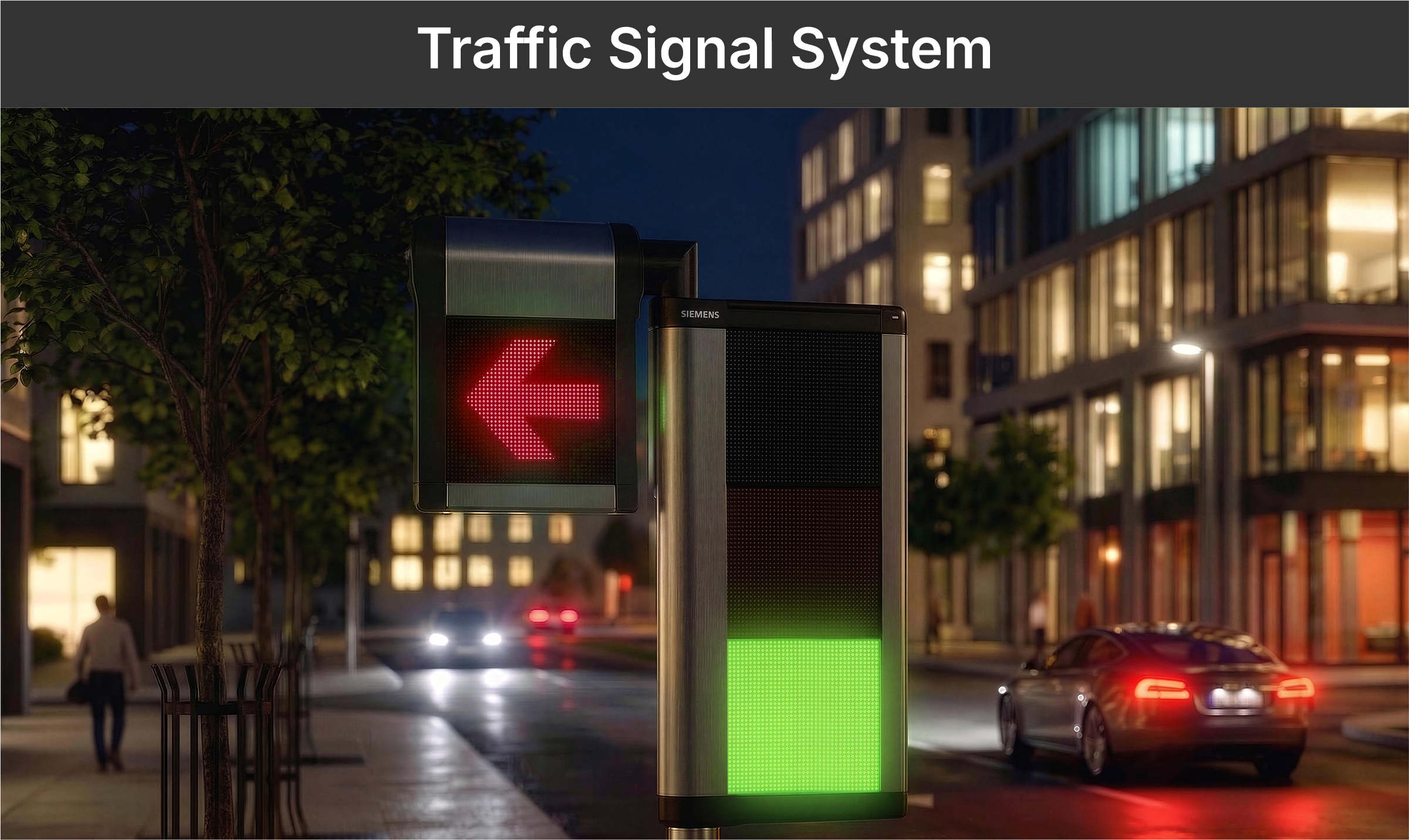
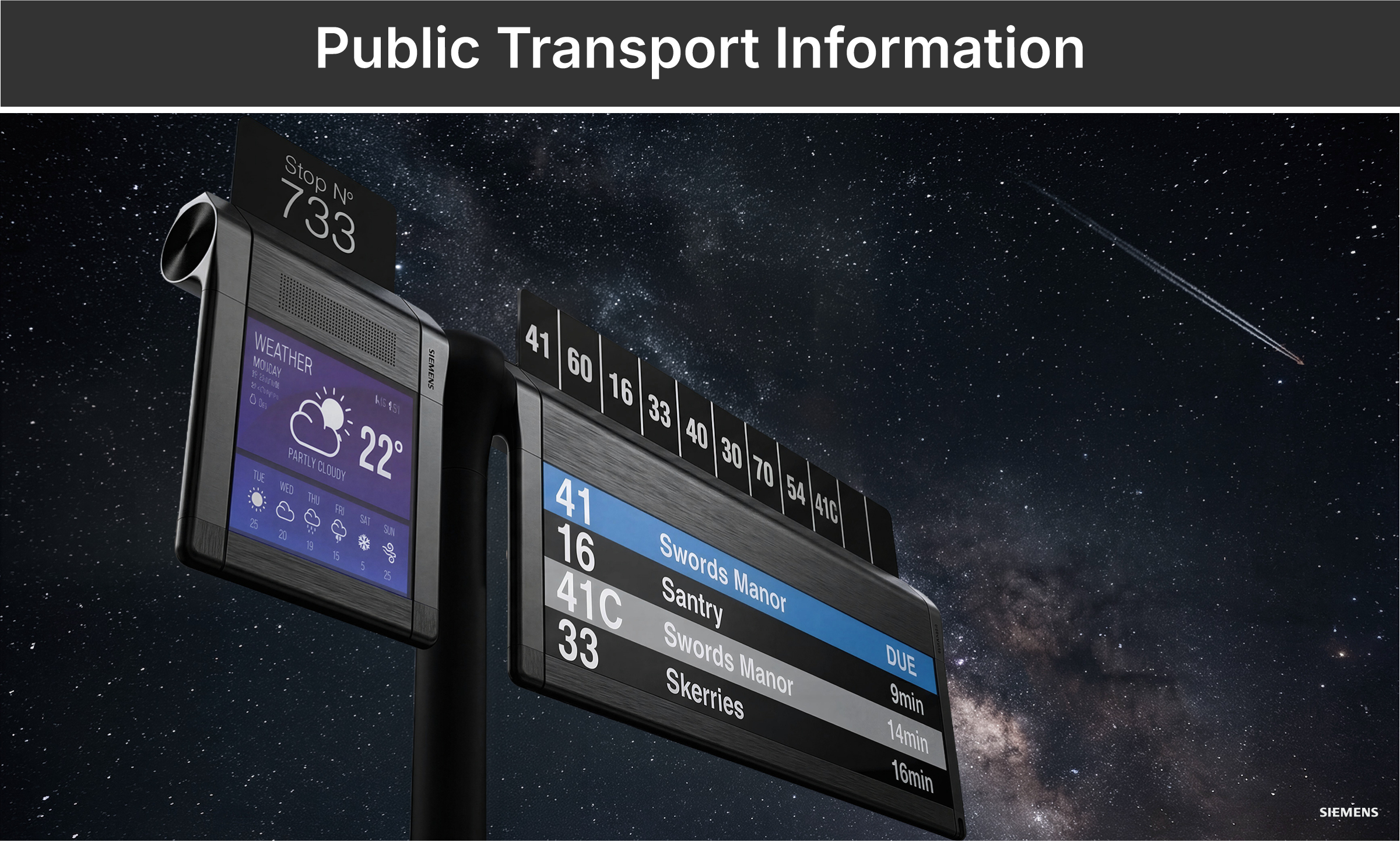
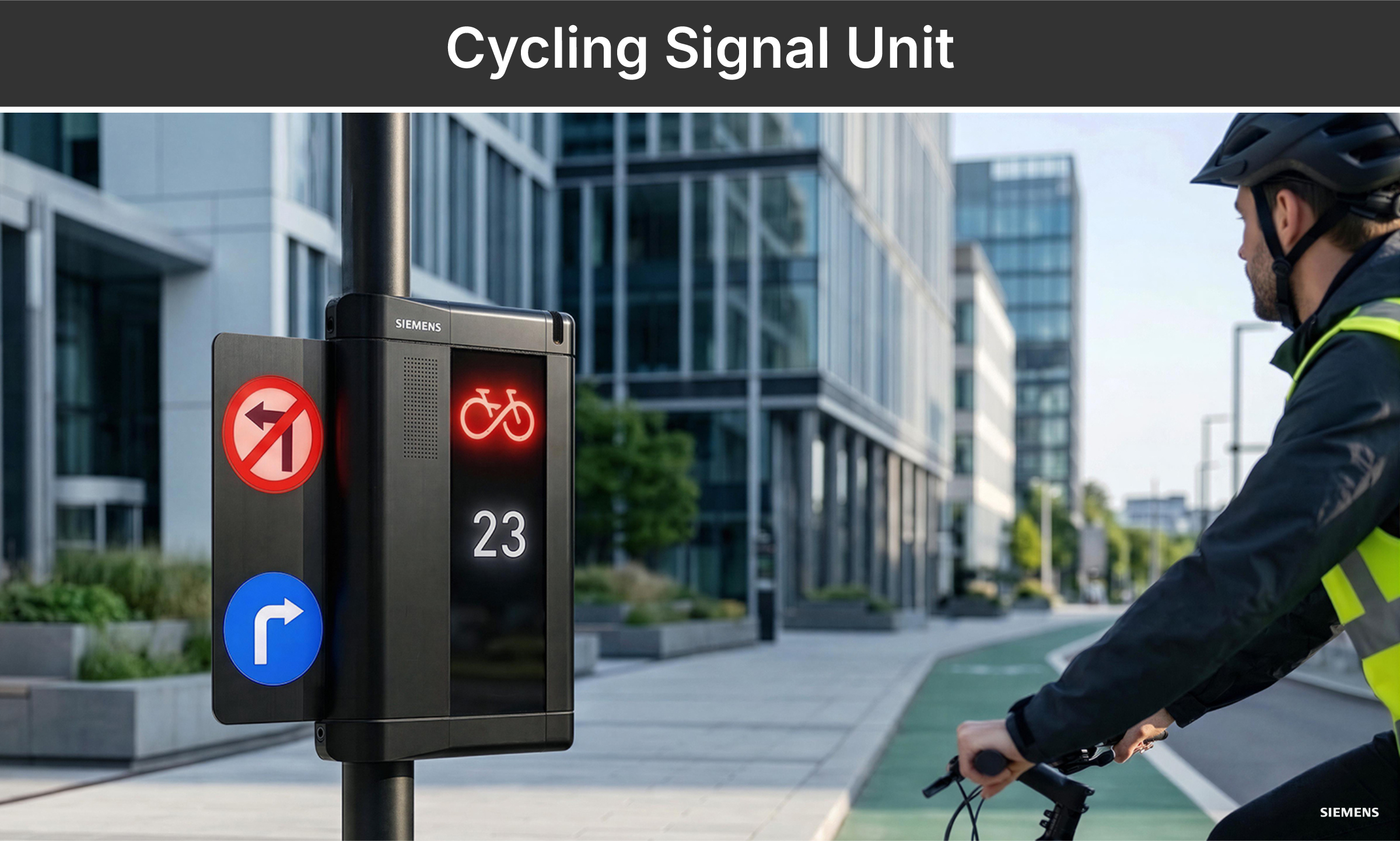
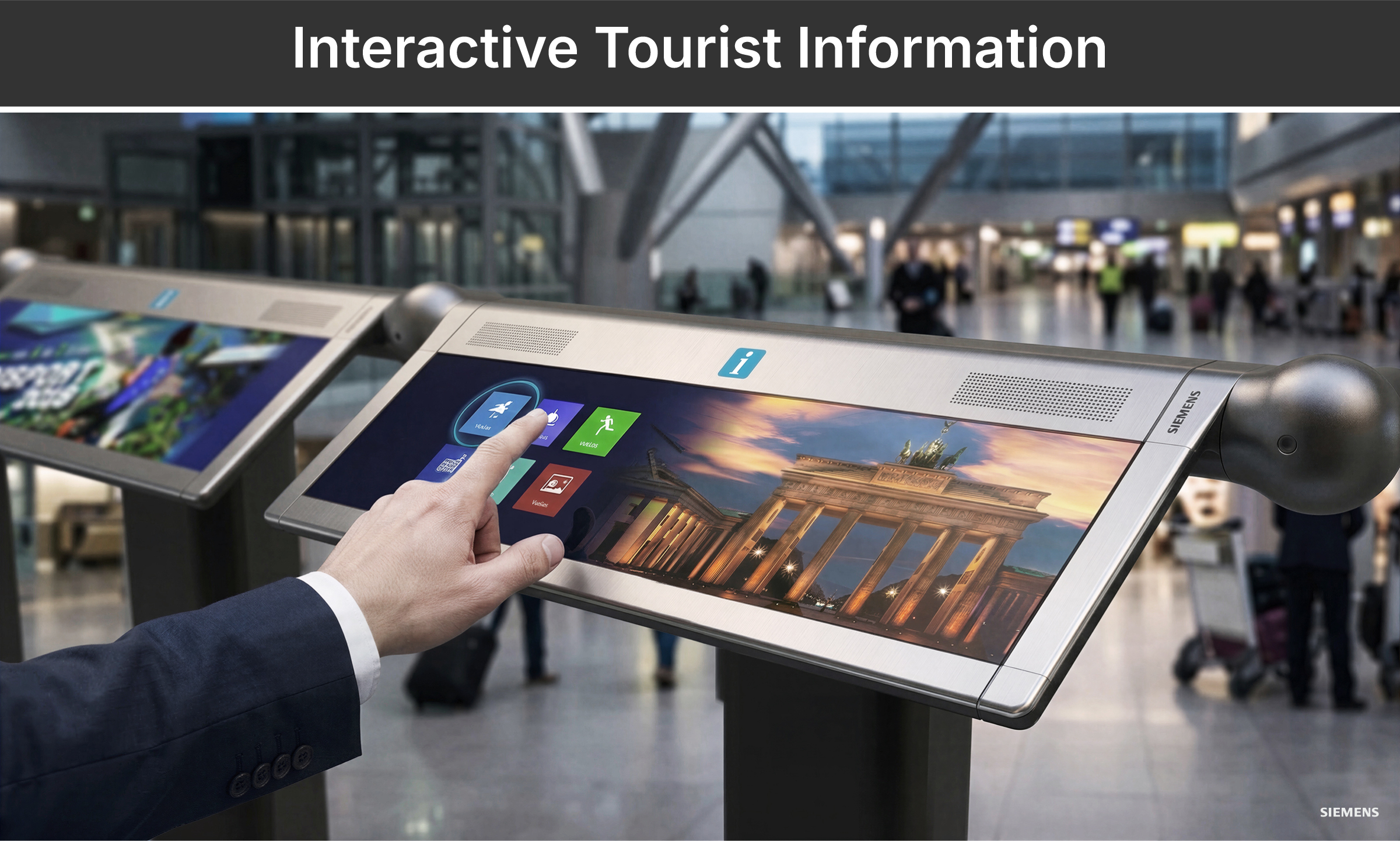
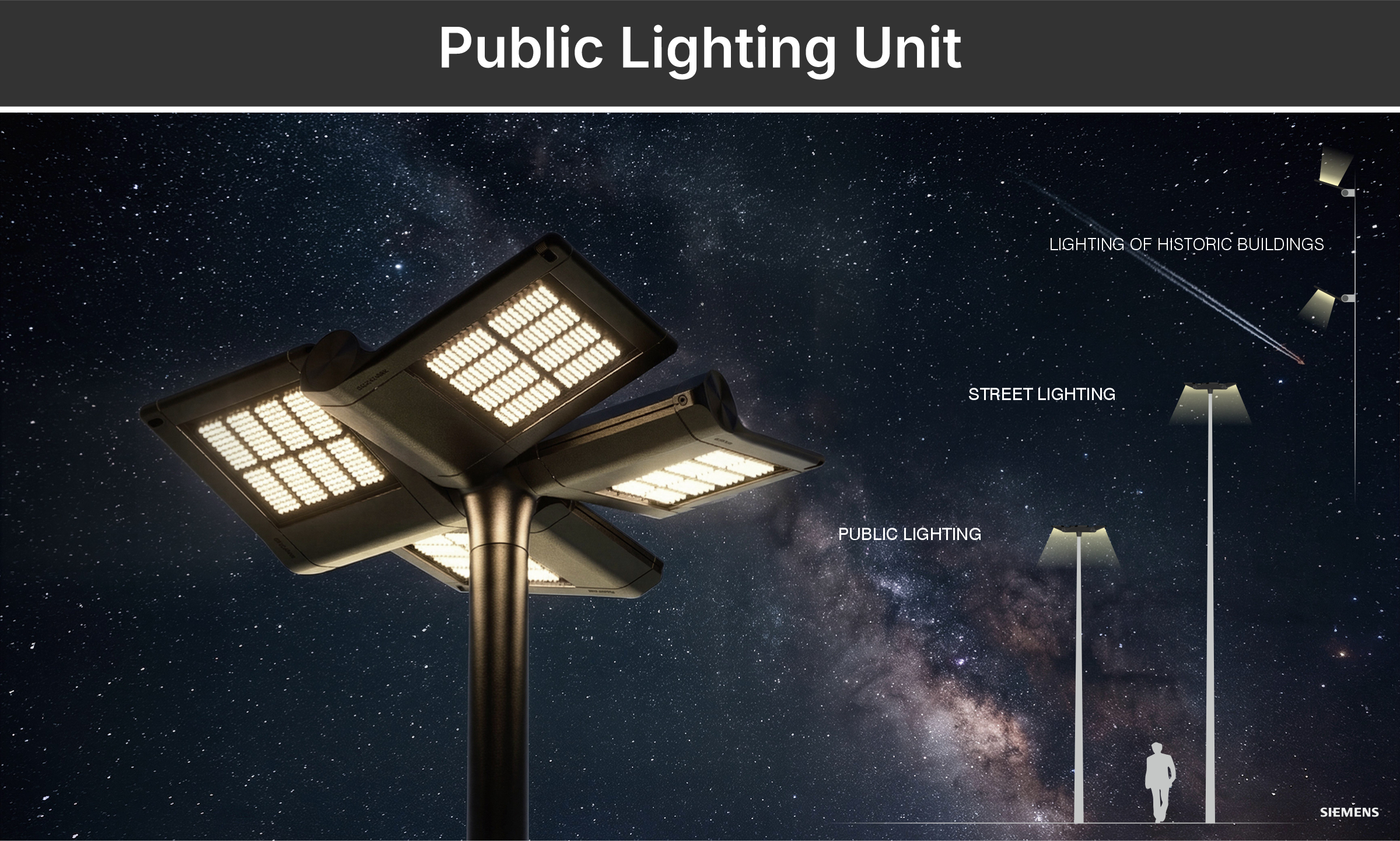
Thesis project developed for the city of Córdoba, Argentina, based on the observation of a recurring problem in public space: the coexistence of different types of signage, traffic lights and urban supports installed by different suppliers over time, making maintenance, part replacement and the creation of a coherent visual language across the city more difficult. From that diagnosis, the proposal introduced a modular system based on a single aluminium extrusion, capable of adapting to multiple urban functions through variations in length and internal configuration. The aim was to unify criteria, simplify maintenance, reduce costs, and allow one profile to be applied across traffic signage, transport information, tourist guidance, cycling infrastructure, wayfinding and public lighting.
My Contribution
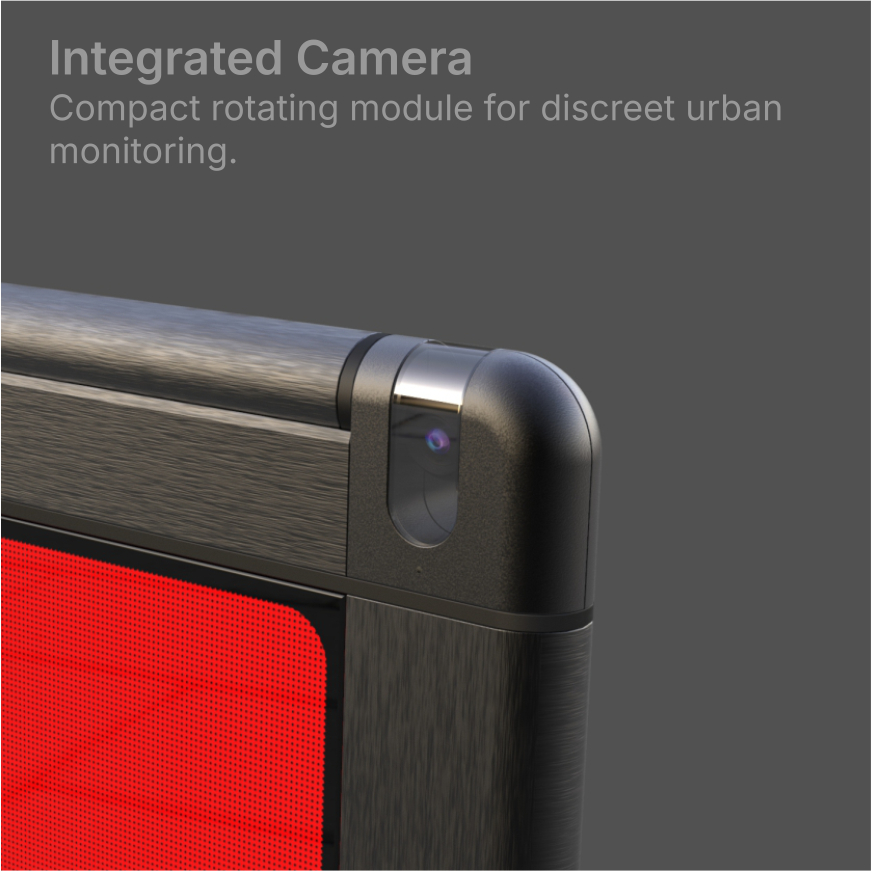
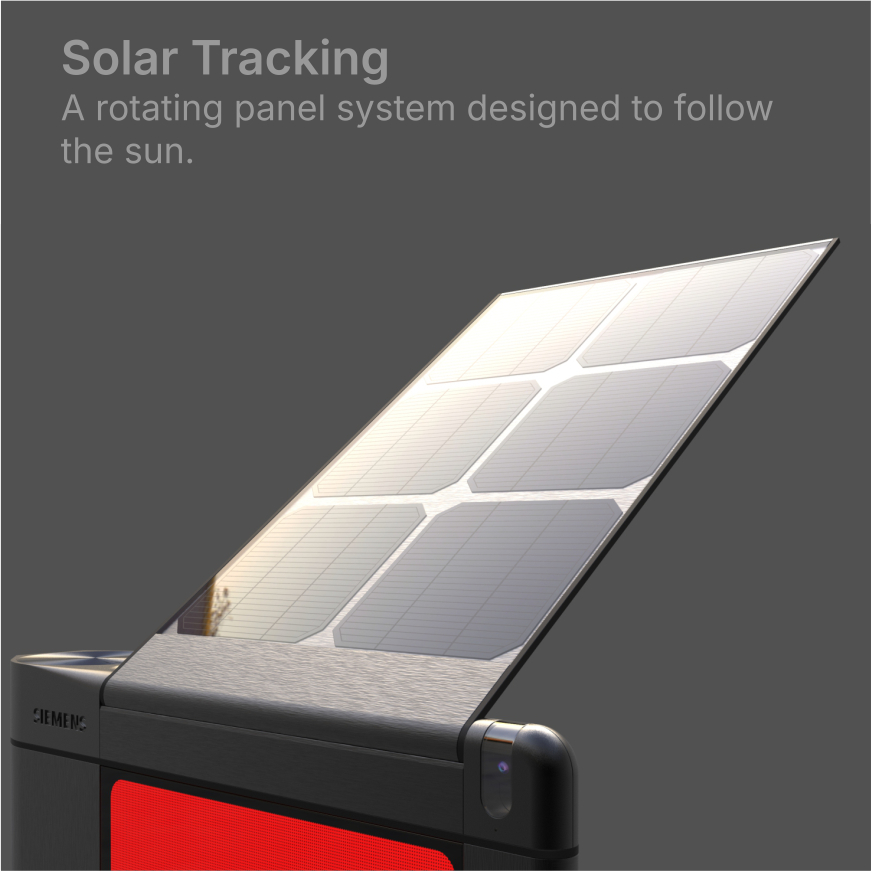
In this project, I worked on the full definition of the system, from the conceptual approach to its formal and functional resolution. I developed the extrusion profile, the modular logic, its different applications and the overall language of the system, aiming to ensure that a single element could respond clearly to different urban needs. The work focused on combining adaptability, visual coherence and production logic, understanding how one unified system could integrate different internal technologies depending on the required function, whether for lighting, signalling, information or interaction.
Process
Urban problem identification, conceptual system development, extrusion profile definition, study of functions and usage variants, integration of different internal technologies according to application, 3D modelling in Rhinoceros, and visualisation for project presentation.