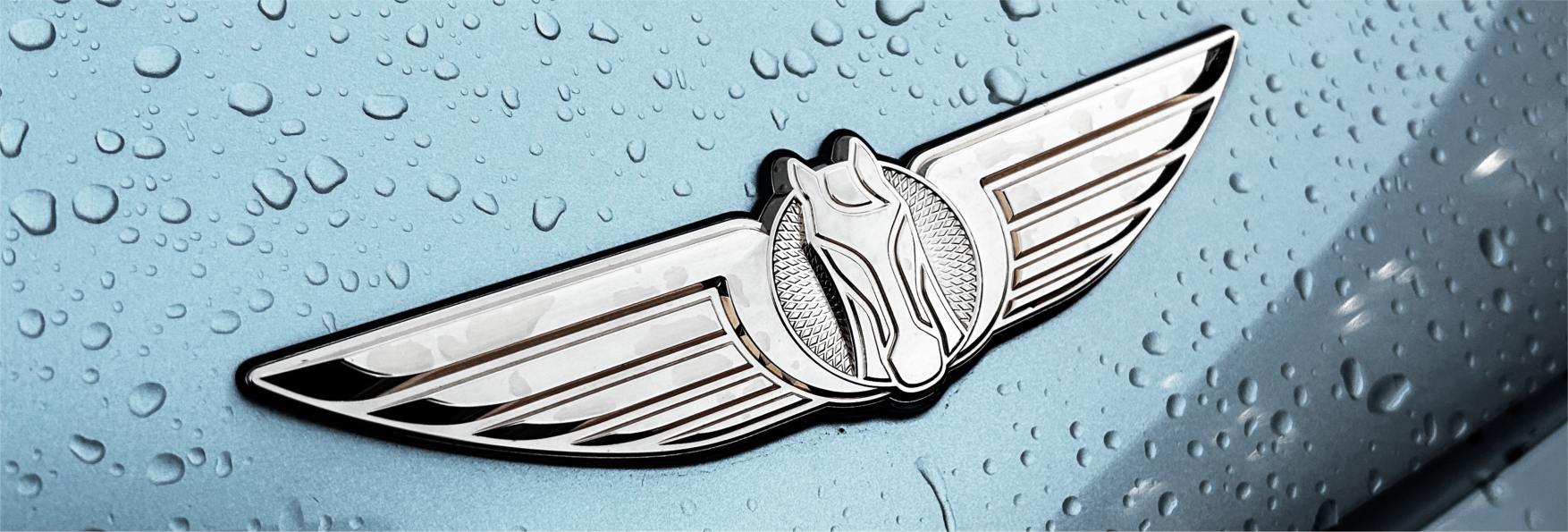
LEVC HERITAGE EMBLEM
Development of a refined, production-ready 3D emblem based on LEVC's approved 2D identity for a new generation of electric vehicles. Rather than redefining the brand in two dimensions, the project focused on establishing how the identity should exist as a physical exterior component, balancing precision, perceived quality and manufacturing feasibility. Building on one of the most recognisable emblems associated with London's iconic black cabs, the design was reinterpreted with a more contemporary and production-conscious approach, integrating relief, surface control and bonnet fit into a single resolved proposal. The final emblem was brought into real vehicle application on the LEVC L380, helping define the emblem direction for the brand's new electric era.
A new identity begins in 2D
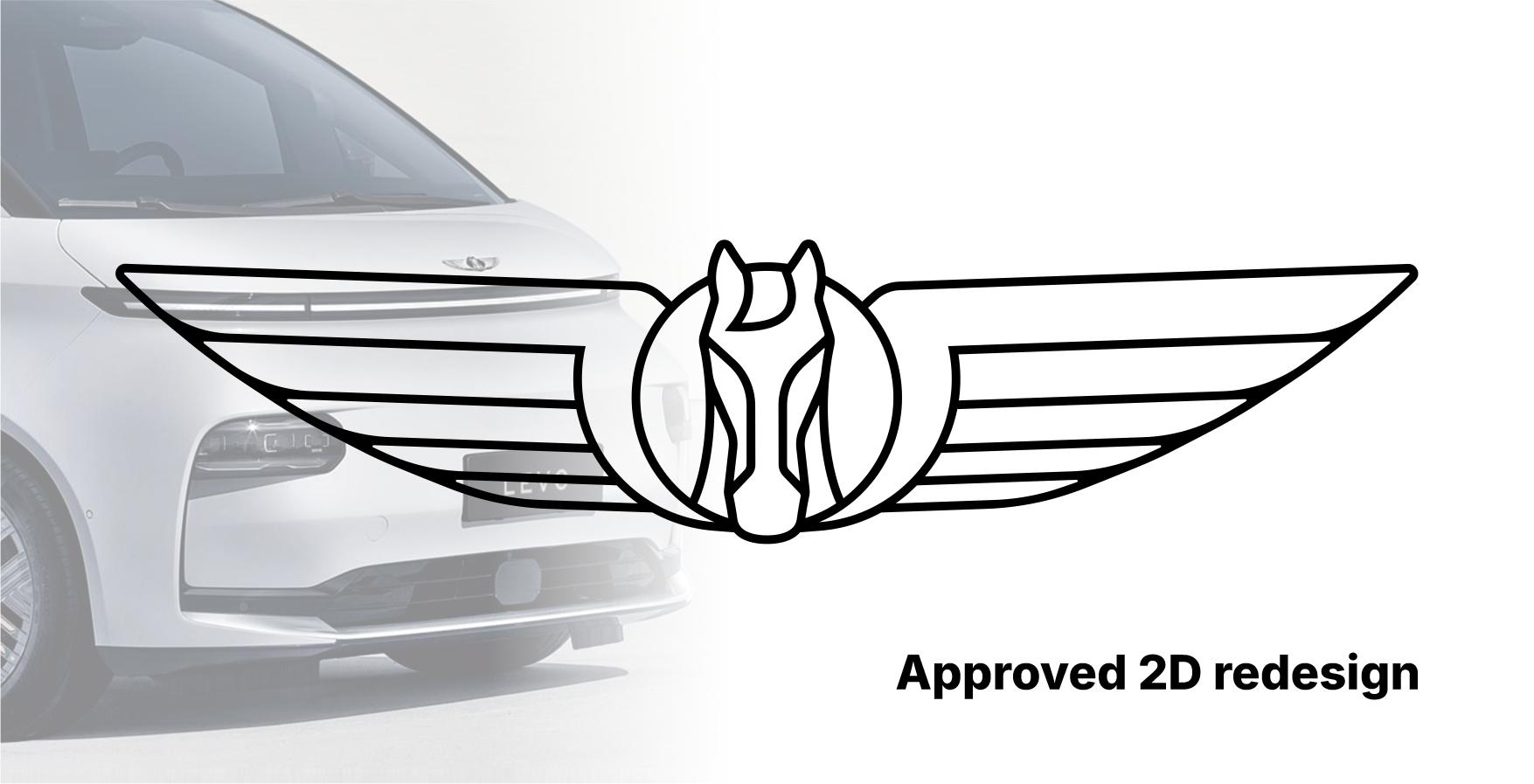
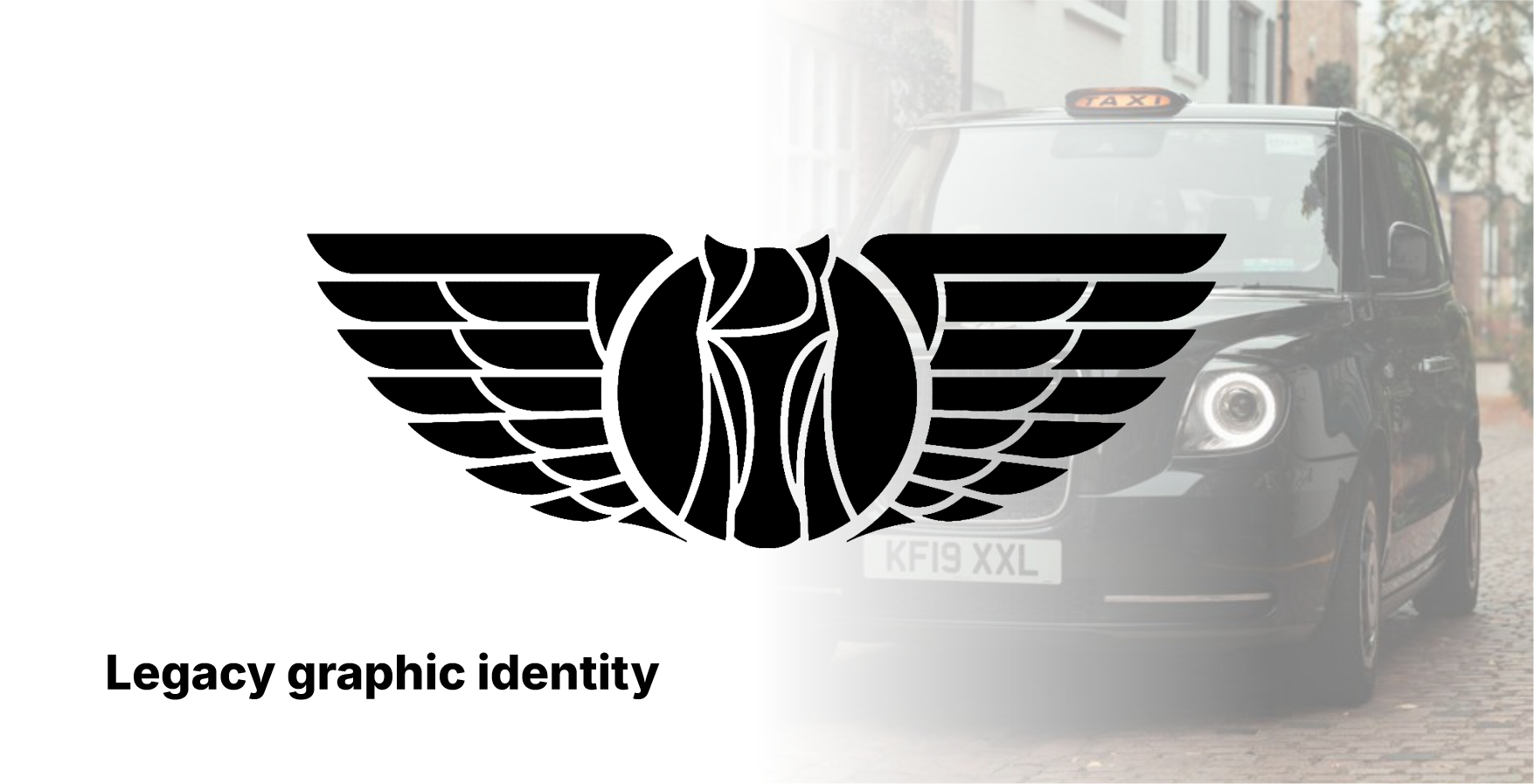
The new graphic direction had already been defined in 2D. My role began by translating that approved identity into a resolved 3D emblem.
3D form exploration
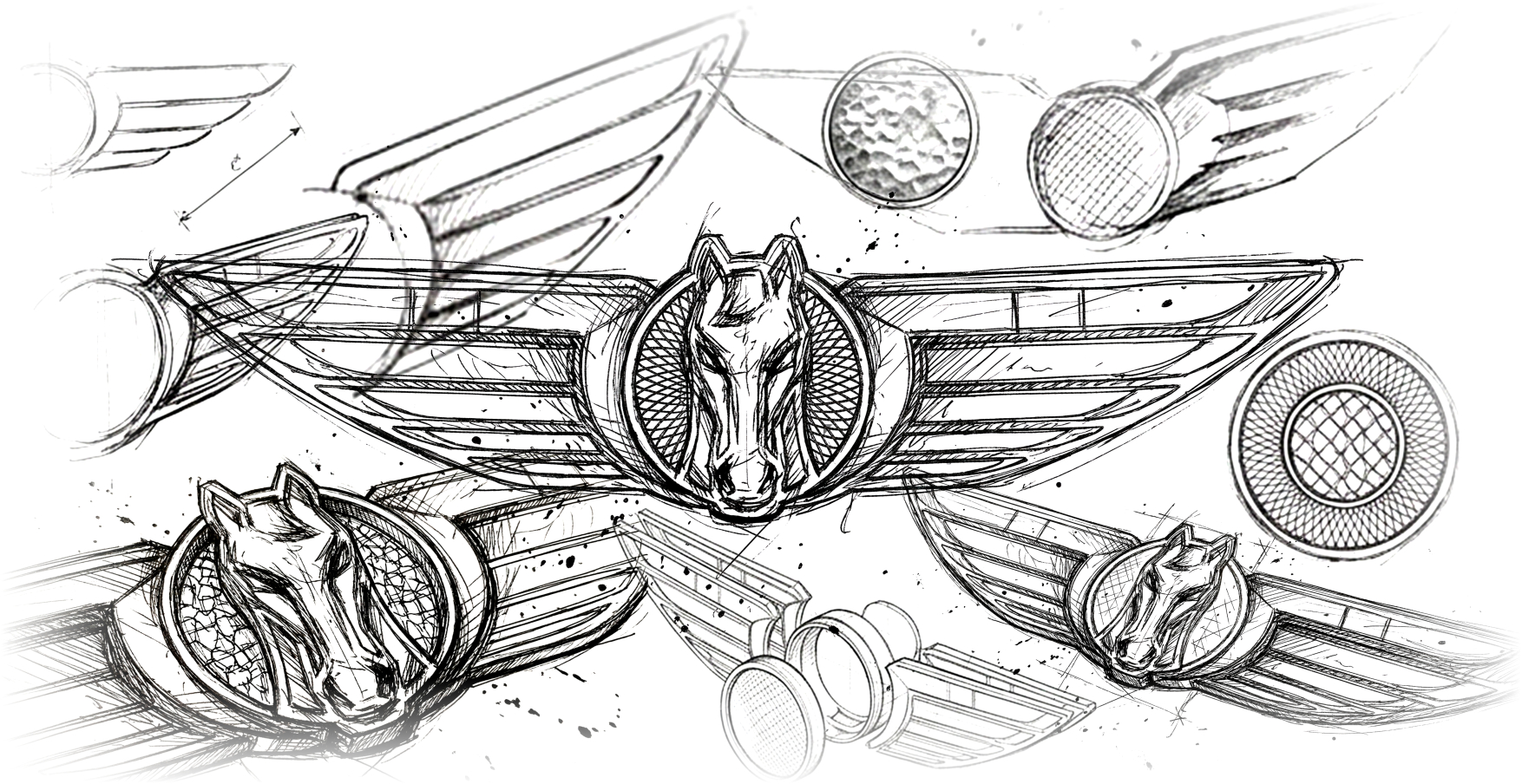
Starting from the approved 2D artwork, the work focused on exploring how the emblem should exist in three dimensions through relief, proportion, texture, edge definition and overall visual character.
From identity to emblem
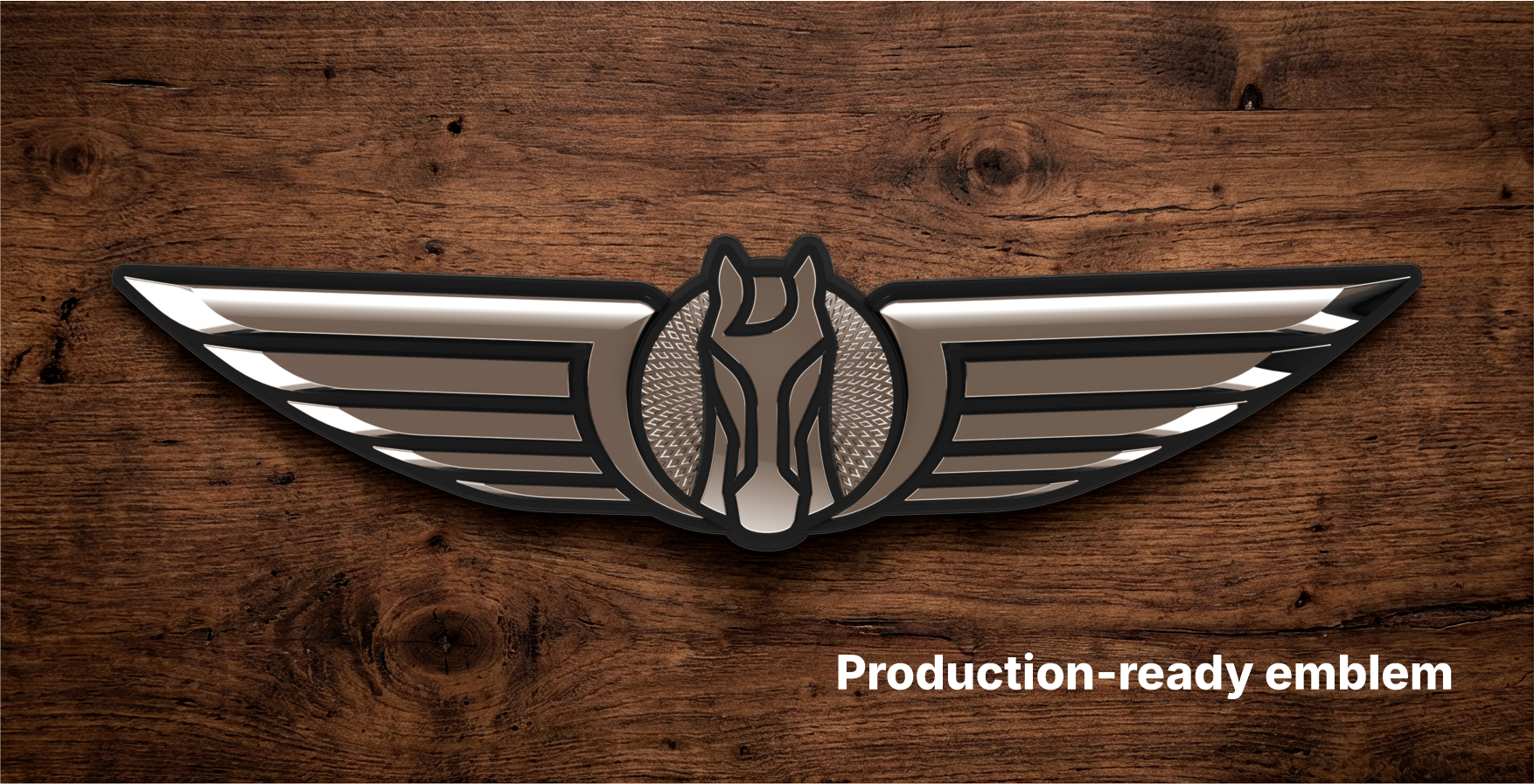
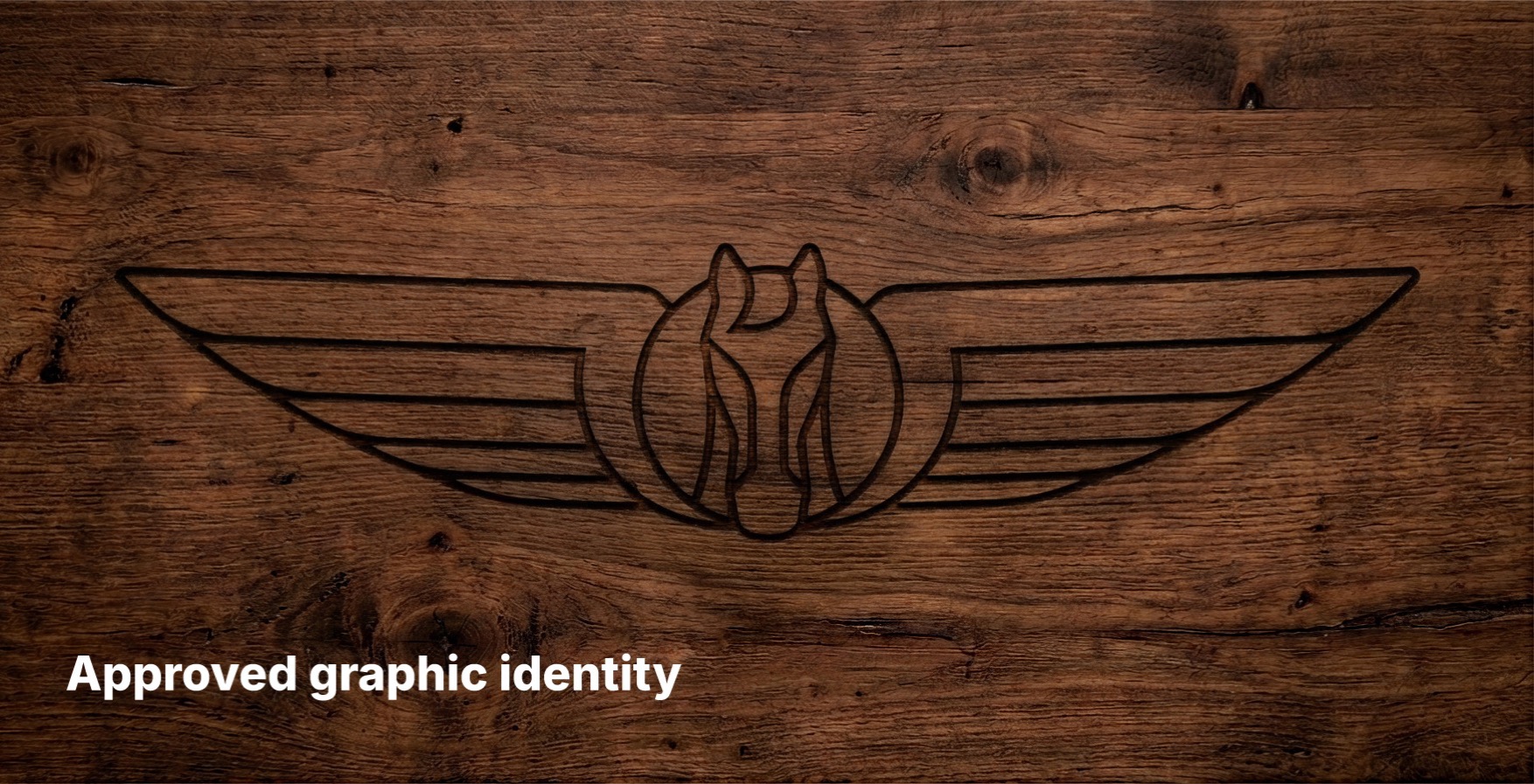
The challenge was to turn a flat approved identity into a physical emblem with depth, precision, perceived quality and production logic.
From legacy badge to refined emblem
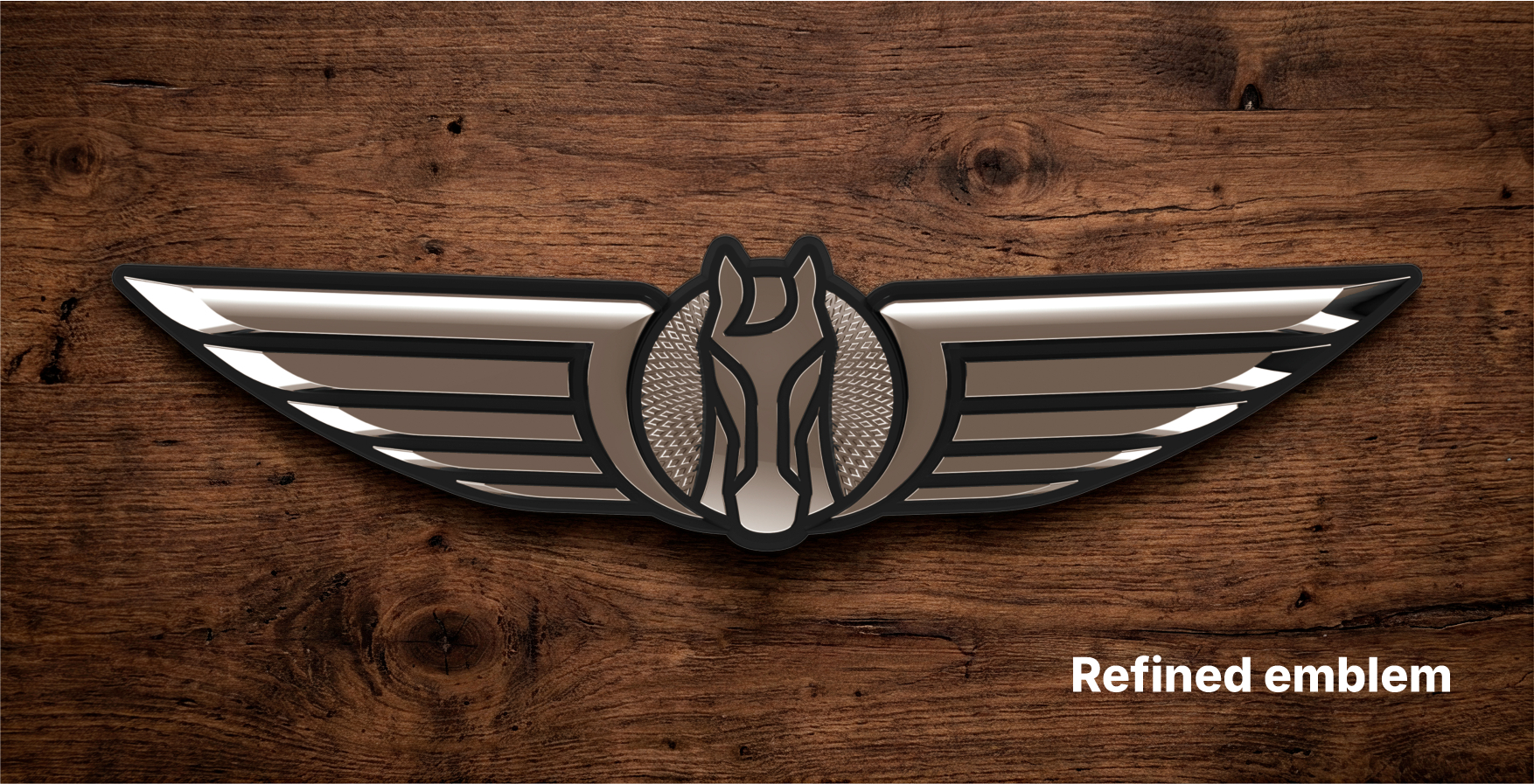
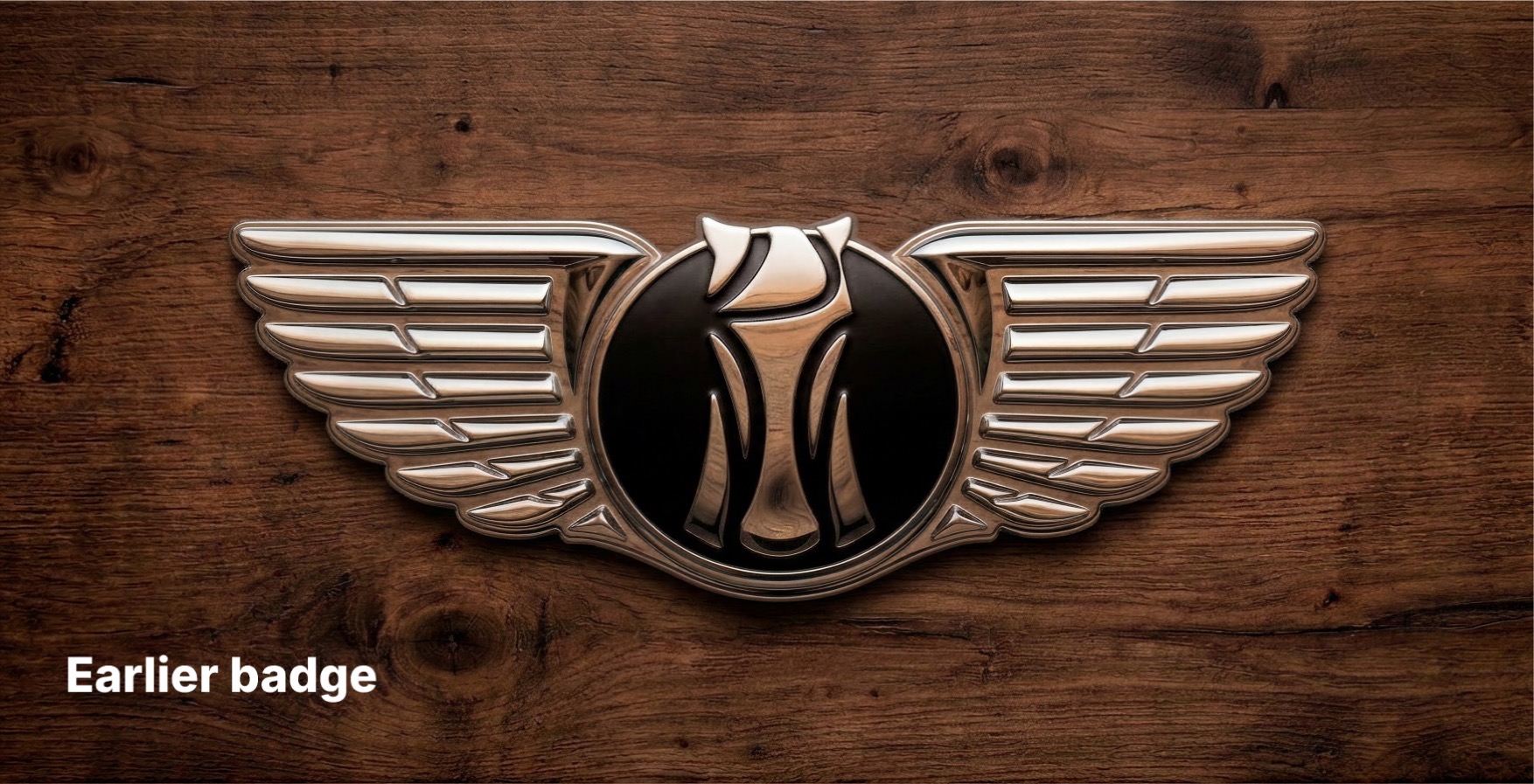
The evolution went beyond updating the form. It required refining proportions, relief, texture, radii and overall surface clarity to achieve a lighter, sharper and more premium result.
Built for the bonnet
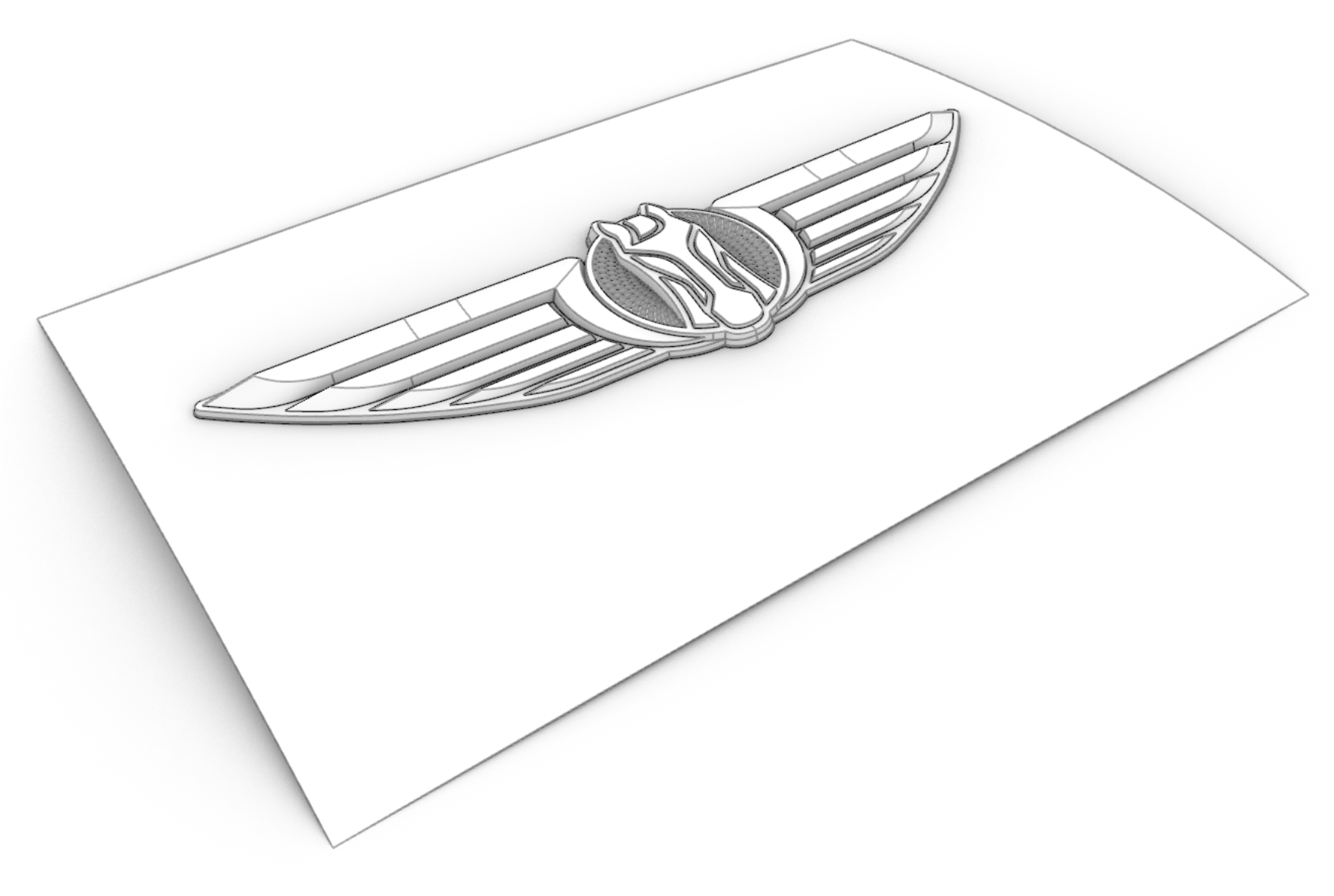
The emblem was modelled directly on the real bonnet curvature, ensuring accurate fit, controlled geometry and a production-ready relationship with the vehicle surface.
Applied in production
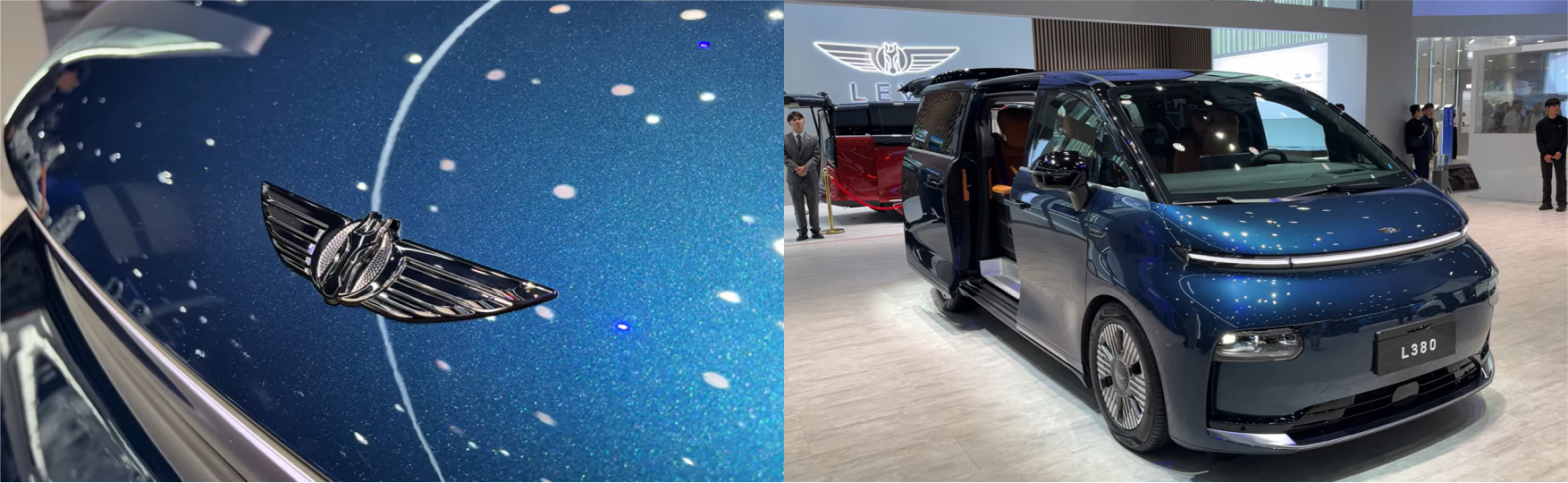
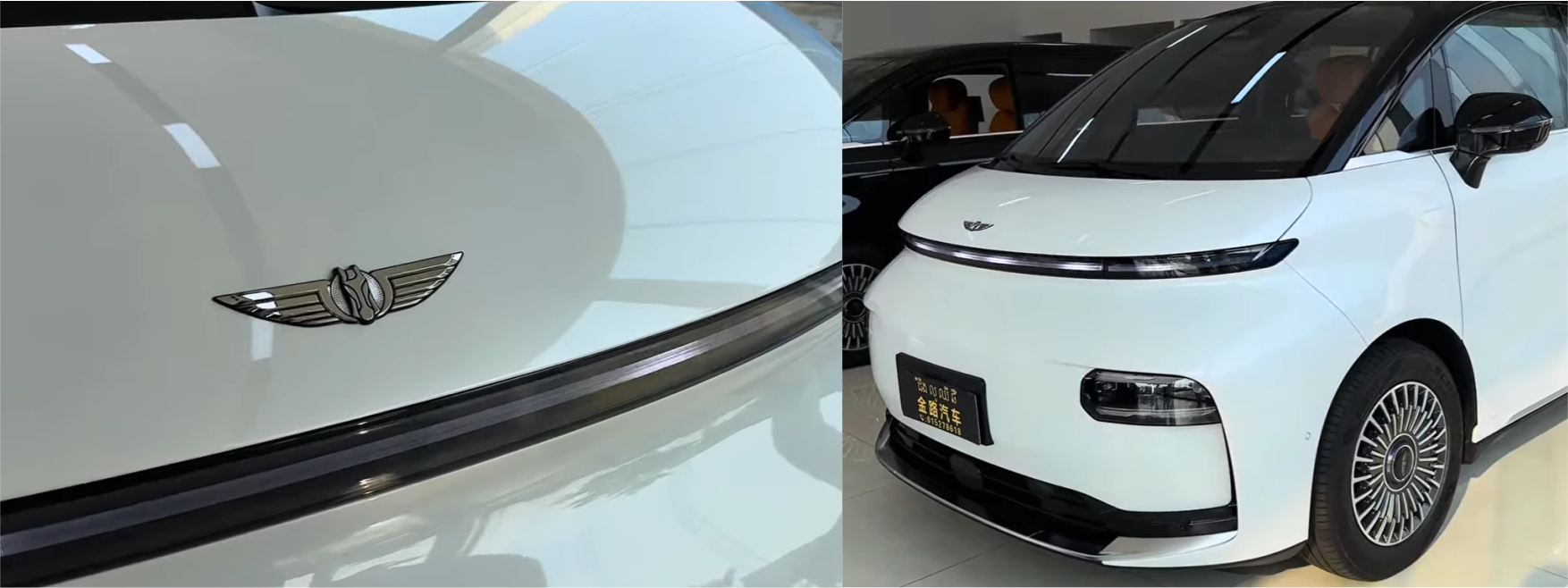
My Contribution
My role focused on translating the approved 2D identity into a fully resolved 3D emblem ready for production. This included defining volume, radii, heights, thickness, texture and surface quality, as well as adapting the emblem to the real bonnet curvature and refining the geometry according to technical constraints, perceived quality targets and feasible manufacturing limits.
Process
Approved 2D identity analysis, 3D emblem development, relief and texture definition, surface refinement, bonnet curvature integration, production-oriented modelling in Rhinoceros, and visualisation for presentation and design validation.